Cambridge Tree Care Pros - Tree Cutting, Trimming & Pruning Services
Expert Tree Trimming That Makes a Difference
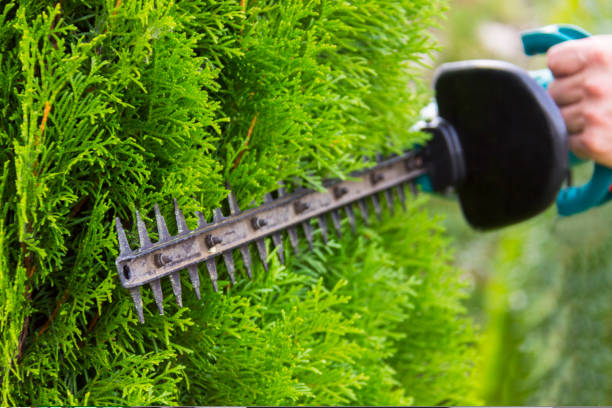
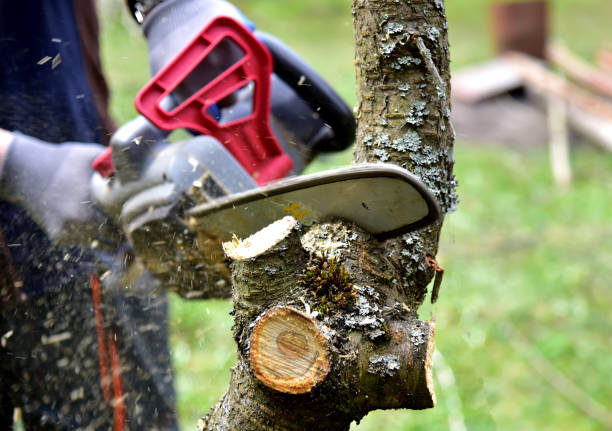
The regular practice of tree trimming and pruning is essential for keeping your canopy healthy, aesthetically pleasing, and structurally sound. Cambridge Tree Care Pros employs certified arborists who provide professional cutting and trimming services designed to enhance the vitality of your trees and the overall value of your landscape. Our specialized services focus on three core pillars: aesthetic pruning to maintain curb appeal, biological trimming to boost tree health, and safety-focused pruning to protect your home and property.
Trimming trees is a delicate balance of art and science. We integrate our deep understanding of tree biology, regional growth cycles, and New England seasonal factors into every project we undertake. Improper pruning is more than just an eyesore; it can lead to permanent damage, leaving your trees vulnerable to local diseases, decay, and eventual structural collapse. The Cambridge Tree Care Pros team strictly adheres to industry best practices and ANSI A300 Standards to ensure every cut promotes rapid healing and long-term vigor, while simultaneously meeting your specific safety and visual goals.
We offer a wide range of specialized trimming services, including routine maintenance, storm-resilience pruning, vista pruning to enhance views, and structural training for younger trees. No matter the scope of the project, we are committed to delivering results that safeguard your landscape investment for decades. From delicate ornamental species to the towering historic Oaks and Maples found throughout the Cambridge area, we possess the specialized equipment and local expertise to manage trees of every species and size.
Our Tree Trimming Process
Professional Service from Assessment to Cleanup
Step 1: Expert Tree Evaluation
One of our certified arborists will visit your Cambridge property to perform a comprehensive on-site analysis:
- Analysis of the tree’s overall health, growth habits, structure, and species-specific needs.
- Identification of any deadwood, fungal infections, or structurally hazardous limbs.
- A personal consultation to align our strategy with your specific goals and concerns.
- A thorough site assessment to determine equipment access and neighborhood-specific constraints.
- Expert recommendations on the exact pruning techniques required for optimal results.
Step 2: Comprehensive Written Proposal
Following the evaluation, we provide a transparent, detailed project plan that includes:
- A precise list of the pruning objectives and techniques to be utilized.
- A clear breakdown of each tree included in the scope of work.
- An estimated timeline for the start and completion of the project.
- A firm total price for the services, including a clear breakdown of all costs involved.
- A customized plan for property protection to safeguard your home, structures, and existing gardens.
Step 3: Site Preparation and Protection
Once the proposal is approved, our crew prepares your property to ensure a safe and efficient work environment:
- Shielding of delicate ornamental plants, flower beds, and hardscaping.
- Strategic positioning of specialized equipment to minimize impact on your lawn or driveway.
- Establishment of a secure work perimeter to protect residents and passersby.
- Installation of heavy-duty ground protection matsise necessary to prevent soil compaction.
- A final pre-work briefing to confirm the project goals and schedule with you.
Step 4: Technical Pruning Execution
Our skilled crew executes the pruning plan with surgical precision, strictly following ANSI A300 industry standards:
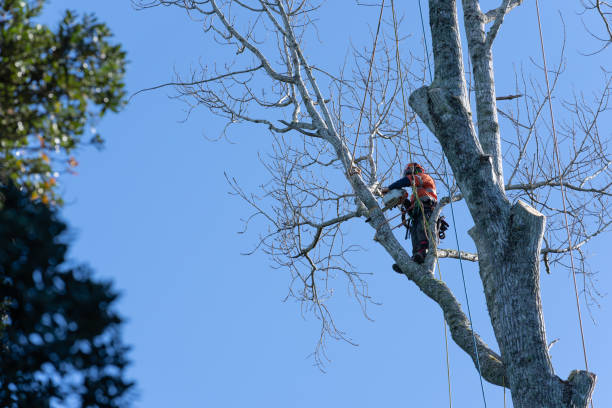
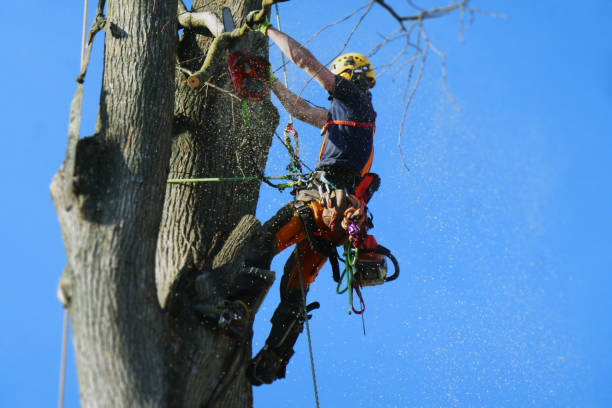
- Professional climbers utilize advanced rigging systems for safe and efficient tree access.
- Strategic, intentional cuts are made to meet your safety, health, and aesthetic requirements.
- Selective removal of compromised, diseased, or targeted branches.
- Application of proper pruning cuts that facilitate the tree’s natural compartmentalization and healing.
- Adherence to structural branch limits (typically removing wood less than 4 inches in diameter) to minimize stress.
- Dedication to preserving the natural silhouette and character of each tree species.
- Systematically complete each tree to maintain a clean and organized job site.
Step 5: Debris and Branch Management
As limbs are removed, they are managed with care to protect your property:
- Lowering large branches to the ground using controlled roping and rigging techniques.
- Directing all falling debris away from rooftops, fences, and landscaping.
- Processing brush through a high-capacity chipper for efficient removal and recycling.
- Optional processing of larger hardwood sections into firewood lengths for your personal use.
Step 6: Meticulous Final Cleanup
We believe a job isn’t finished until your property looks better than when we arrived:
- Complete removal of all stray branches, fine debris, and excess wood chips.
- Thorough raking and clearing of the entire work zone.
- Restoration of any moved lawn furniture or shifted landscape elements to their original spots.
- A final walk-through inspection to ensure every detail meets our high standards and your total satisfaction.
Step 7: Long-Term Vitality Recommendations
To ensure your trees continue to thrive long after we leave, we provide professional guidance for future care:
- Tailored advice on supplemental watering or mulching if the tree shows signs of stress.
- Guidance on an ideal future pruning cycle based on the species and age of your trees.
- Education on regional “red flags” to watch for, such as signs of local pests or New England weather stress.
- Direct answers to any remaining questions regarding your urban forest.
How Do I Know My Trees Need Trimming?
When to Schedule Professional Pruning
Immediate Attention Needed
These issues represent active hazards and should be addressed as quickly as possible:
- Presence of dead wood or detached branches hung up in the canopy (widow makers).
- Limbs making physical contact with or hanging directly over your roofline.
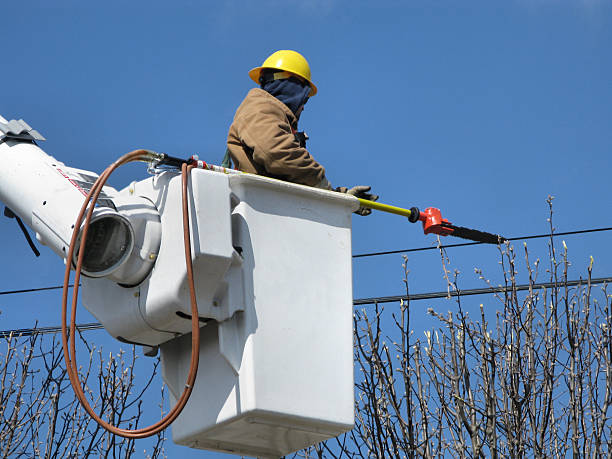
- Branches encroaching upon or interfering with overhead power lines.
- Visible splits, deep fractures, or cracks in major limbs.
- Damage caused by recent Nor’easters, ice storms, or high winds.
- Low-hanging or fallen debris obstructing sidewalks, driveways, or entrances.
- Visible signs of rapid disease progression within the tree’s canopy.
Routine Care Indications
If these conditions exist, your trees are likely overdue for professional maintenance:
- The canopy has not been professionally pruned within the last 3 to 5 years.
- An overly dense canopy is starving your lawn or garden of necessary sunlight.
- Strategic branches are crossing or rubbing against one another, creating entry points for decay.
- The tree’s natural silhouette appears heavily unbalanced or structurally misshapen.
- Low-growing limbs are impeding the functional use of your yard or patio.
- Significant weight distribution at the ends of long branches is causing visible bowing.
- The appearance of excessive “water sprouts” or suckers along the trunk and base.
- A desire to open up a specific vista or improve the view from your property.
Concerns About Your Tree’s Health
Watch for these biological red flags that indicate a decline in vigor:
- An unseasonable or abnormal amount of deadwood throughout the crown.
- A congested interior that prevents proper air circulation and light penetration.
- Fungal growth, conks, or mushrooms appear on specific branches.
- Noticeable bark damage, deep peeling, or “bleeding” areas on the limbs.
- Evidence of pest infestations or boring insects within the upper canopy.
- Foliage that appears stunted, discolored, or drops prematurely.
Structural Problems
These growth patterns can lead to catastrophic failure if not corrected by an arborist:
- Multiple “leaders” or main stems competing for dominance.
- Narrow branch attachments (angles less than 45 degrees) are prone to splitting.
- Co-dominant stems with included bark at the union.
- Scaffold branches that are spaced too closely together compromise strength.
- Fruit-heavy branches that are bending under excessive seasonal weight.
Aesthetic Goals
Pruning is often the final touch that elevates a well-maintained Cambridge property:
- Enhancing the architectural beauty and symmetry of your landscaping.
- Elevating curb appeal in preparation for a property sale.
- Seasonal cleanup to maintain a polished, professional look.
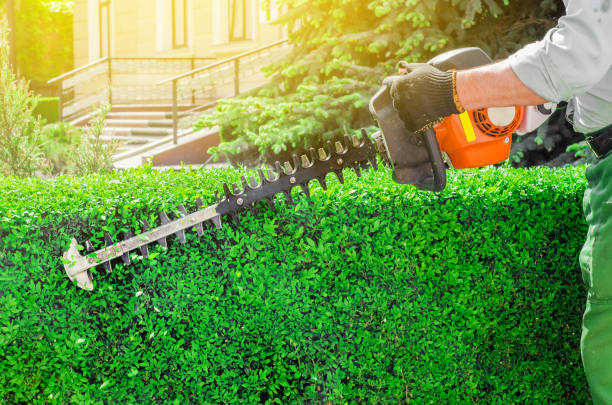
- Structural shearing and maintenance for formal garden designs.
- Highlight pruning to showcase the unique character of specimen trees.