Woodinville Tree Care Pros - Tree Cutting & Trimming Services
Expert Tree Trimming That Makes a Difference
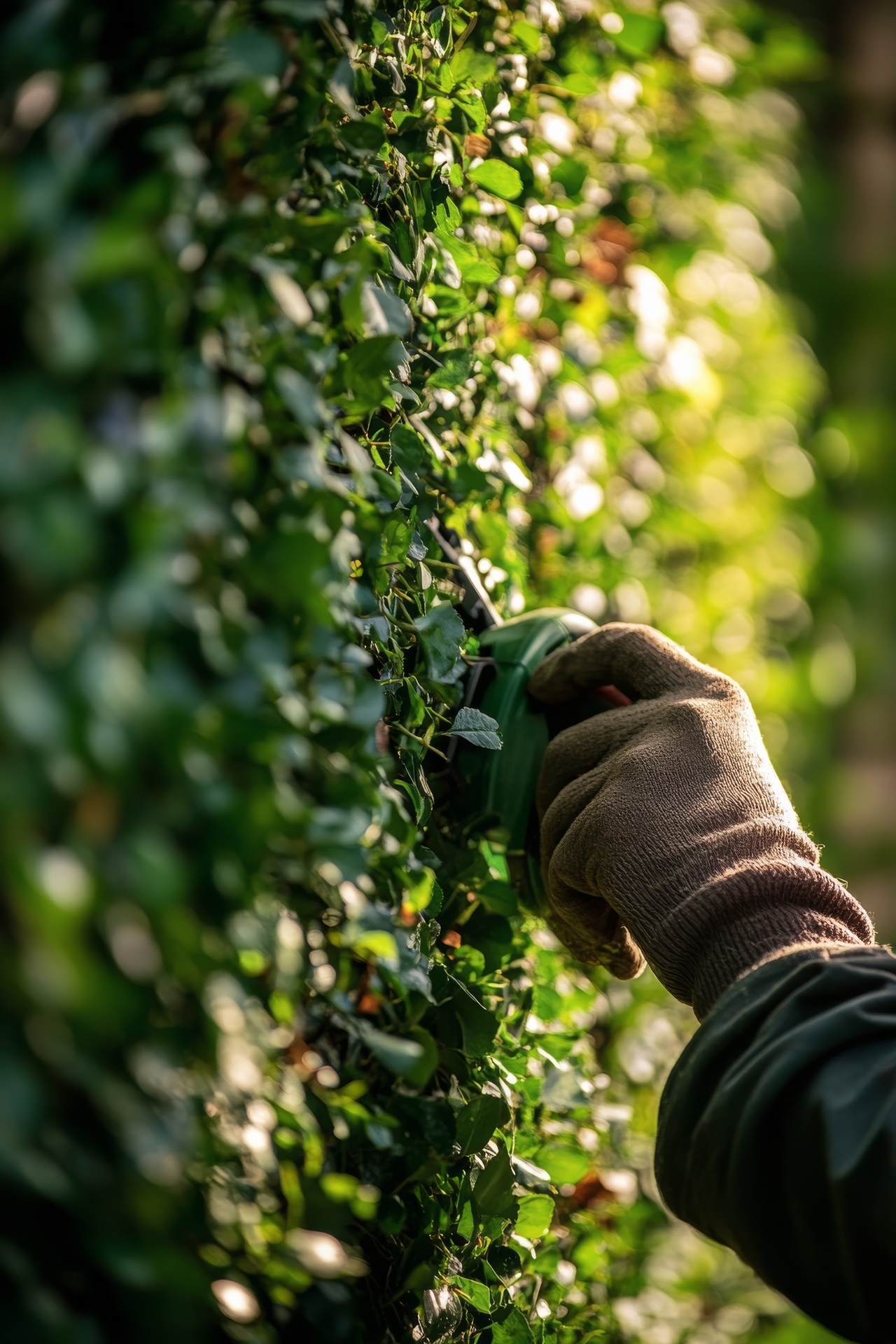
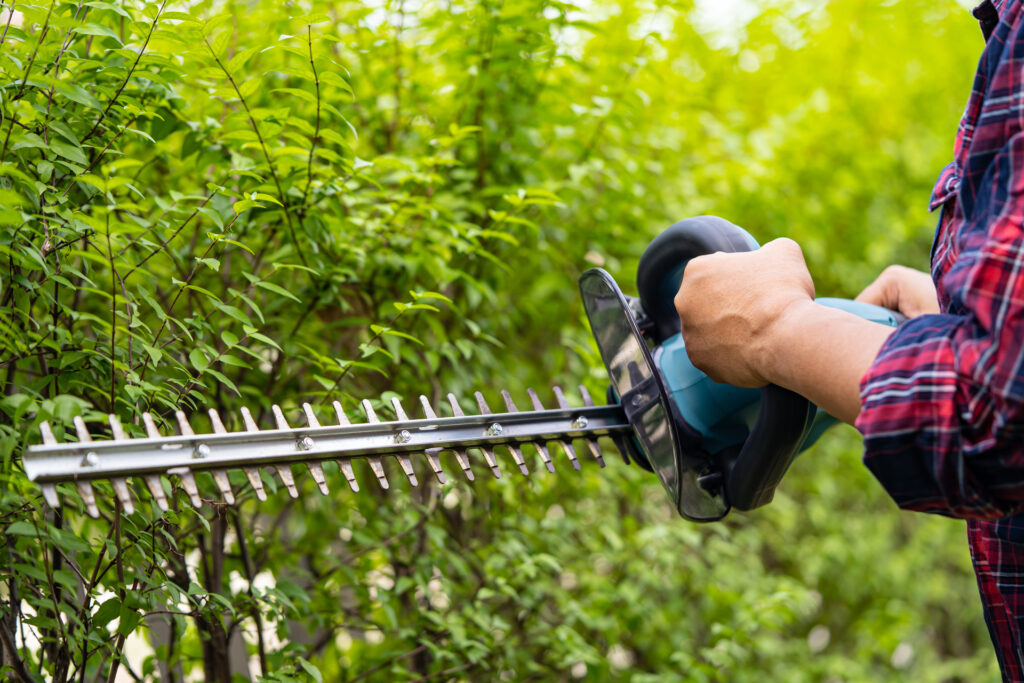
The regular practice of tree trimming and pruning will keep your trees healthy, looking good, and as safe as possible. Woodinville Tree Care Pros has certified arborists who offer expert tree cutting and trimming services to support the health of your trees and your landscape. These services include tree trimming and pruning to help keep your trees looking their best; tree trimming and pruning to support tree health; and tree trimming and pruning to keep your home and property safe.
Trimming trees is an art and a science. We use our knowledge of tree biology, tree growth patterns, seasonal factors, and species requirements when performing tree trimming services. Improper pruning can cause permanent damage to trees, which can make them susceptible to disease, decay, and structural failure. The Woodinville Tree Care Pros team uses best practices in the industry and follows the ANSI A300 Standards to create cuts that promote the long-term health of the tree, while meeting your aesthetic and safety objectives.
We perform many types of tree trimming, including routine maintenance pruning, tree trimming and pruning to prevent damage from storms, tree trimming and pruning to improve views, and corrective pruning for young trees. Regardless of the type of tree trimming service needed, we strive to provide excellent results that will support your landscape investments for many years to come. Whether it is an ornamental Japanese maple or a large Douglas fir, we have the experience and equipment to trim and prune trees of all species and sizes in the Woodinville area.
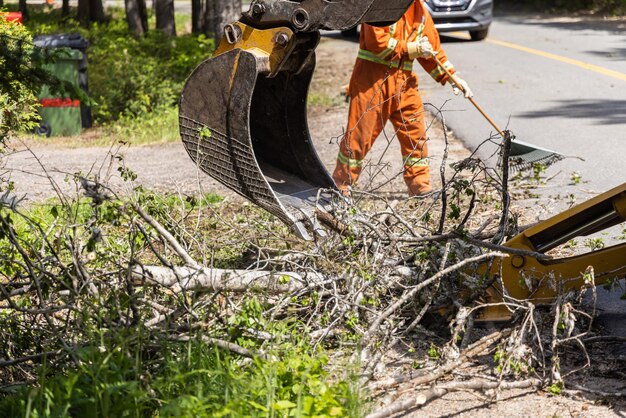
Our Tree Trimming Process
Professional Service from Assessment to Cleanup
Step 1: Professional Tree Evaluation
Our certified arborist evaluates your trees at your home or business:
- Evaluates tree health, shape, structure, and type.
- Locate any dead, diseased, or hazardous tree branches.
- Discuss your expectations and concerns.
- Evaluate the site conditions and assess the accessibility.
- Recommendations for pruning and how much will need to be done.
Step 2: Your Written Estimate
After evaluating your trees, our certified arborist will create a detailed proposal that includes:
- A list of specific pruning work to be completed.
- The number of trees and the scope of work to be done on each tree.
- A timeline for completing the work.
- A total price for all work to be done, along with a breakdown of the costs.
- A description of what will be done to protect your property and prevent damage to any surrounding landscaping or structures.
Step 3: Preparing The Property For Pruning
Once you have agreed upon the price and timeline for the project, our staff will begin preparing the property for the work to begin:
- Protect your landscaping, plants, and other structures.
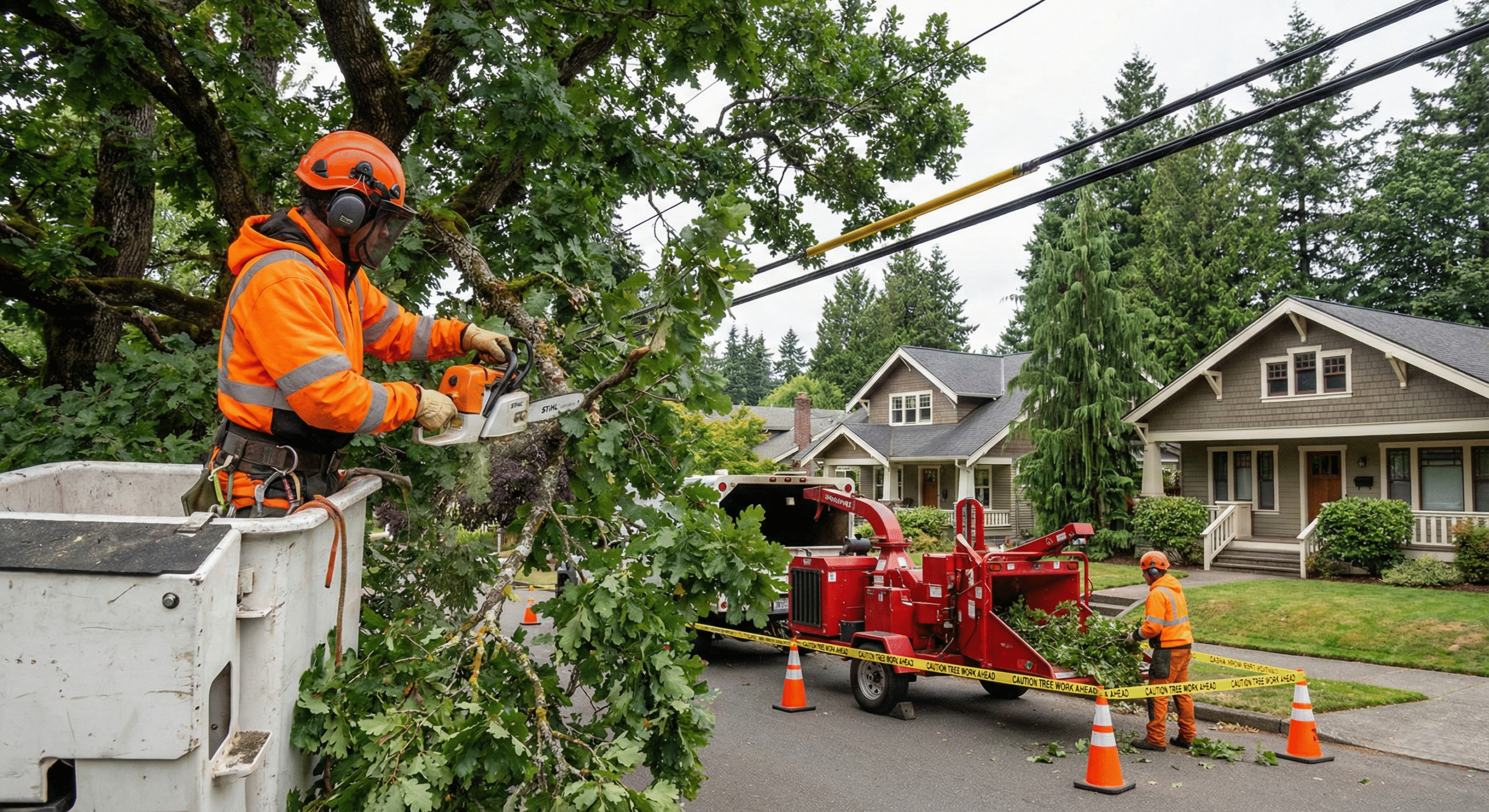
- Place equipment in safe and strategic locations.
- Create a perimeter around the area where the work will be done.
- Install ground protection when necessary.
- Provide a final review of the work that will be done and the timeline for the work.
Step 4: Professional Pruning
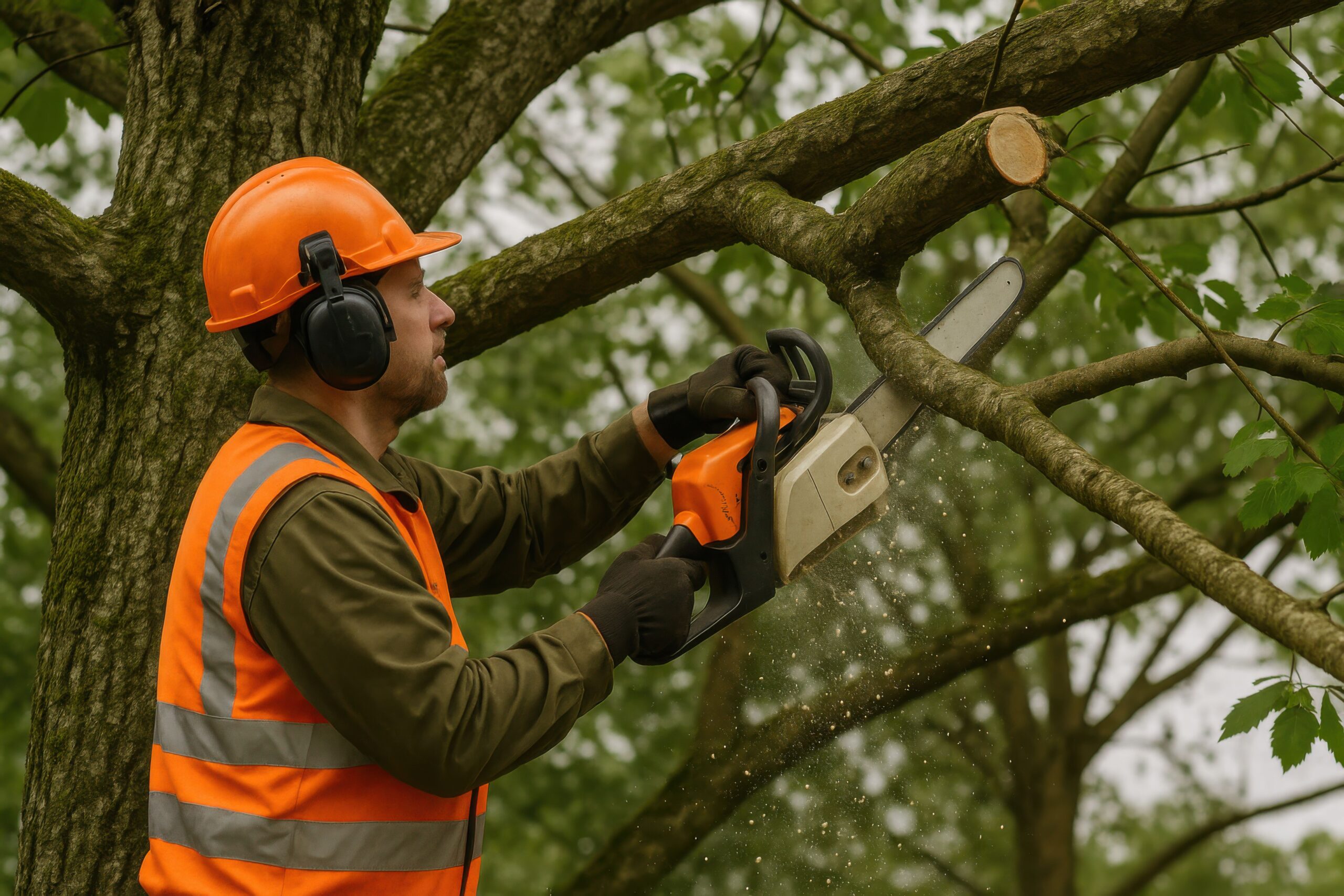
Our certified crew will then perform the pruning work according to your specifications and ANSI A300 Standards:
- Our climbers use professional rigging to climb the trees.
- We make strategic cuts to the trees based on your needs.
- Remove the dead, diseased, and targeted branches.
- Make proper cuts that allow the tree to heal properly.
- Respect the branch size limit (usually less than 4 inches).
- Preserve the natural shape and form of the tree.
- Complete one tree before moving to another.
Step 5: Managing The Cut Branches
After cutting the branches, they are managed as follows:
- Drop the branches safely to the ground using ropes and rigging.
- Keep the branches away from landscaping and structures.
- Process the branches through a chipper so that they can easily be disposed of.
- If desired, cut the large sections of branches to length for firewood.
Step 6: Final Cleanup
When the work is complete, our staff will clean up your property as follows:
- Remove all branches, debris, and wood chips.
- Rake and clean the area worked in.
- Restore your landscaping to its original condition.
- Perform a final inspection to ensure that the work was done to your satisfaction.
Step 7: Ongoing Tree Health Recommendations
After performing the pruning work, our staff will also provide recommendations for maintaining the health of your trees as follows:
- Recommendations for watering if necessary.
- Suggest a future pruning schedule.
- Provide you with warning signs to look for regarding your trees.
- Answer any questions you may have.
How Do I Know My Trees Need Trimming?
When to Schedule Professional Pruning
Immediate Attention Needed
- Dead branches or hanging branches (widow makers)
- Branches that are touching or overhanging your roof
- Limbs interfering with power lines
- Split or cracked branches
- Damage from recent storms
- Branches blocking walkways or driveways
- Canopy is showing signs of disease spreading
Routine Care Indications
- Your trees have not been pruned in the past 3 to 5 years.
- A dense canopy is blocking light and reducing growth on your lawn/garden
- Branches are crossing over each other / rubbing against each other
- The shape of the tree appears unbalanced or misshapen
- Low-hanging branches are impeding property use
- There is too much weight at the end of long branches
- You notice water sprouts/suckers
- You want to improve a view that could be enhanced
Concerns About Your Tree’s Health
- Abnormal amounts of dead branches
- A dense interior with poor air circulation
- Fungus growing on branches
- Peeling/bark damage
- Pests in the canopy
- Discolored/stunted foliage
Structural Problems
- Multiple leaders competing
- Branch angles less than 45 degrees
- Co-dominant stems
- Scaffold branches that are too close together
- Overloaded fruit bending branches
Aesthetic Goals
- Improve the overall appearance of your landscaping
- Prepare your property for sale
- Seasonal cleanup needs
- Maintain formal garden designs
- Showcase your specimen trees